ARR-OTA Over-the-air updates, engineered for developers.

ARR-OTA

Over-the-air updates, engineered for developers.

Latest Articles

Every Rollout Is a Survey: Wiring Device Telemetry Into Your OTA Decision Loop
Engineering Deep Dive

Every Rollout Is a Survey: Wiring Device Telemetry Into Your OTA Decision Loop

Most teams treat an OTA rollout as the end of the release process, when it should be the beginning of the next one. This piece walks through structuring device feedback — health metrics, failure signatures, anomaly reports — into automated gates that decide whether the next wave ships.
Midnight Is Not a Time Zone: Scheduling OTA Updates Around Real Human Schedules
Engineering Deep Dive

Midnight Is Not a Time Zone: Scheduling OTA Updates Around Real Human Schedules

Every fleet has an idle window — but for a nation-spanning user base, that window exists only per device, never per fleet. This piece examines why 'update at 3AM' fails for night-shift workers, always-on sensors, and medical devices, and how to design rollout scheduling that respects both the device and the person on the other end.

Two Pipes, One Device: Separating Firmware From Configuration in OTA Architecture
Engineering Deep Dive

Two Pipes, One Device: Separating Firmware From Configuration in OTA Architecture

Most OTA systems treat every device change as a firmware problem, which means every behavioral fix requires a signed binary, a staged rollout, and a week of risk. A two-channel design — heavy firmware updates on one pipe, lightweight configuration sync on the other — lets teams change how devices behave without ever touching the flash image.

Flash, Reboot, Repeat: Assembling a Hardware-in-the-Loop Bench That Catches Bad Firmware Before It Leaves the Building
Engineering Deep Dive

Flash, Reboot, Repeat: Assembling a Hardware-in-the-Loop Bench That Catches Bad Firmware Before It Leaves the Building

Simulators are convenient, cheap, and fundamentally unqualified to tell you whether your next OTA release will brick a device. Here's a practical blueprint for a hardware-in-the-loop rig that flashes real boards, yanks their power, and runs the gauntlet inside your CI pipeline.

Firmware Belongs to Whom? OTA Design in the Age of Right-to-Repair
Engineering Deep Dive

Firmware Belongs to Whom? OTA Design in the Age of Right-to-Repair

Right-to-repair laws are rewriting the rules for connected hardware, and OTA pipelines built around unilateral control are suddenly a liability. This piece lays out an architecture for consent-first updates, owner-controlled unlock modes, and pipelines that satisfy regulators without sacrificing release velocity.

The Fleet That Checks In Once a Month: OTA Strategies for Rarely-Connected Devices
Engineering Deep Dive

The Fleet That Checks In Once a Month: OTA Strategies for Rarely-Connected Devices

Most IoT fleets spend the vast majority of their existence offline, which turns a routine firmware rollout into a months-long campaign. This piece walks through resumable transfers, opportunistic download windows, and bandwidth triage for devices that only surface when it suits them.

The Accept Button Is a Lie: Rethinking Consent for Over-the-Air Updates
Reliability Engineering

The Accept Button Is a Lie: Rethinking Consent for Over-the-Air Updates

Most update consent flows are engineered to be skimmed, not understood. As US regulators sharpen their focus on IoT security and dark patterns, the case for honest consent UX has shifted from ethical nicety to operational risk. Here is a framework for telling users what an update will actually do.

Delivered Is Not Deployed: Closing the Feedback Loop With Post-Update Telemetry
Reliability Engineering

Delivered Is Not Deployed: Closing the Feedback Loop With Post-Update Telemetry

An OTA campaign that ends at the ACK packet tells you nothing about whether your fleet actually got healthier. This deep dive maps the signals devices should report after a firmware handoff, and how to turn them into dashboards that catch regressions before your support inbox does.

Rush Hour Doesn't Apply to Firmware: Timing OTA Rollouts Around Device Rhythms
Engineering Deep Dive

Rush Hour Doesn't Apply to Firmware: Timing OTA Rollouts Around Device Rhythms

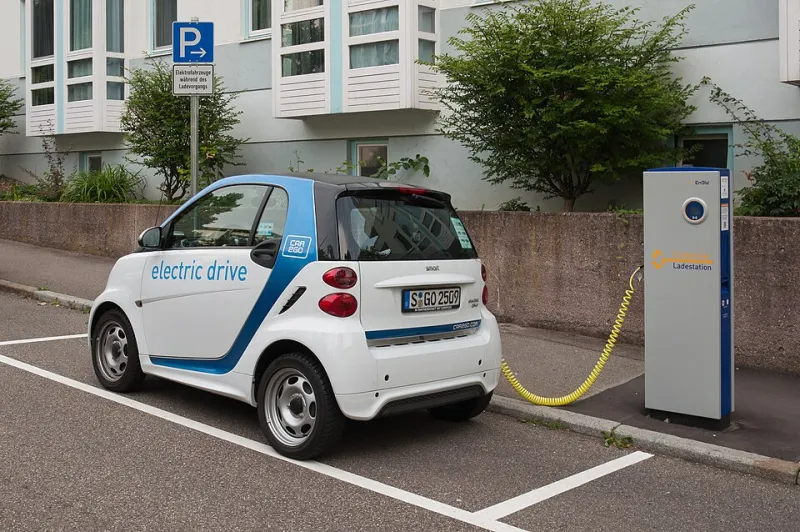
Pushing an update at 2 p.m. to a fleet of delivery scanners or 2 a.m. to a bank of EV chargers is the same operation with wildly different odds. This guide walks through scheduling OTA campaigns around real device behavior — docked windows, charge cycles, time zones, and usage prediction — to lift success rates and keep users out of the story.

Nobody Reads the Release Notes: Rebuilding OTA as a Product Experience
Reliability Engineering

Nobody Reads the Release Notes: Rebuilding OTA as a Product Experience

Most OTA 'failures' are not failures of the update mechanism at all — they are failures of communication, consent, and timing. Treating the update experience as a product surface, not a background process, is how you keep users from unplugging the router mid-flash.

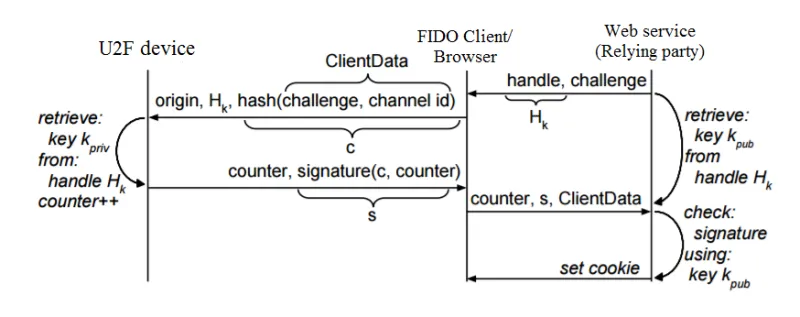
When the Signing Key Walks Out the Door: Cryptographic Discipline for OTA Pipelines
Engineering Deep Dive

When the Signing Key Walks Out the Door: Cryptographic Discipline for OTA Pipelines

Firmware signing is the one control that separates a routine update from a fleet-wide compromise. This deep dive walks through secure boot chains, threshold signatures, and the messy operational reality of rotating a key mid-deployment.

Your Update Server Is Not a Backend: Raising the Bar for OTA Infrastructure
Reliability Engineering

Your Update Server Is Not a Backend: Raising the Bar for OTA Infrastructure

Too many teams bolt update delivery onto a web server and call it done. We argue OTA deserves the same discipline as your CI/CD pipeline — signed manifests, staged environments, and observability — because the update server is the one backend you can't fix with a redeploy.

Egress, Data Caps, and a Million Devices: The Real Price Tag of Pushing Firmware
Engineering Deep Dive

Egress, Data Caps, and a Million Devices: The Real Price Tag of Pushing Firmware

Firmware updates feel free until the invoice arrives. We break down where OTA delivery costs actually come from — CDN egress, cellular plans, and redundant downloads — and the engineering levers that shrink the bill without slowing your rollout.

Shipping Into the Void: OTA Design for Devices Owners Forgot They Own
Reliability Engineering

Shipping Into the Void: OTA Design for Devices Owners Forgot They Own

The uncomfortable truth about consumer IoT is that most owners will never open the companion app again after week two. An update strategy built on user engagement is built on a fiction. Here's how to design pipelines that assume total indifference — and why that assumption makes devices safer, not riskier.

Your Fleet Is a Lab: Running Controlled Experiments on Devices With OTA Channels as Cohorts
Engineering Deep Dive

Your Fleet Is a Lab: Running Controlled Experiments on Devices With OTA Channels as Cohorts

Most teams treat their installed base as something to protect. It's also the largest experimentation platform the company owns — if you wire cohort assignment into your update channels correctly. This piece covers firmware-level feature flags, the statistical traps of tiny device cohorts, and measuring outcomes that actually matter in the field.

Seven Ways to Brick a Product Line: Field Lessons From a Decade of Consumer OTA
Reliability Engineering

Seven Ways to Brick a Product Line: Field Lessons From a Decade of Consumer OTA

A decade of shipping over-the-air updates to consumer devices produces a specific kind of scar tissue. Here are seven failure modes we've seen in the field — and the policy or tooling change that prevents each one.

The 1% Fleet: Engineering Progressive Deployment for Devices That Can't Run Kubernetes
Engineering Deep Dive

The 1% Fleet: Engineering Progressive Deployment for Devices That Can't Run Kubernetes

Staged rollouts are table stakes in cloud software, but embedded fleets demand a different playbook. This deep dive walks through cohort design, health-signal gating, and automatic halting for resource-constrained hardware.

The 40KB Firmware Update: How Binary Diffing Slashes OTA Costs at Fleet Scale
Engineering Deep Dive

The 40KB Firmware Update: How Binary Diffing Slashes OTA Costs at Fleet Scale

When a firmware image weighs 40MB and your fleet numbers seven figures, the naive full-image push becomes a line item nobody wants to explain to finance. Delta updates — shipping only what changed — can cut bandwidth by 99% or more. Here's how binary diffing works and where it bites back.

No Way Back Is No Way to Ship: Building Rollback Into Your OTA Pipeline From Day One
Reliability Engineering

No Way Back Is No Way to Ship: Building Rollback Into Your OTA Pipeline From Day One

Over-the-air updates without a verified escape hatch aren't a deployment strategy — they're a bet. From bricked infotainment systems to dead smart thermostats, the industry's worst OTA failures share one trait: no path back. Here's a framework for making every update reversible.